
Editorial / Methodology
The Prague Standard: A Methodology Forged in Detail
Standard cleaning is reactive; our approach is procedural. We operate as a craft service, not a labor task, treating every space as a system of surfaces, materials, and airflow. This isn't marketing copy—it's the architecture of our work.
The methodology is rigid because the outcome must be predictable. Whether preparing a office on Dittrichova for a new tenant or maintaining a private residence, the protocol remains constant. This consistency is what separates a finished room from a calibrated environment.
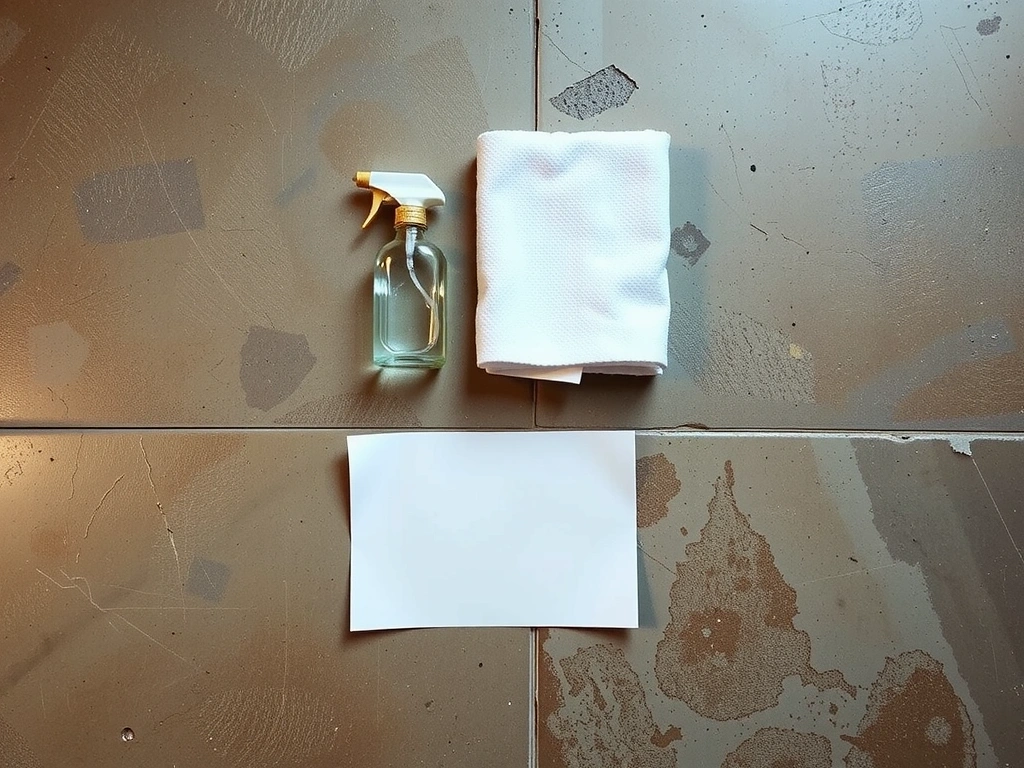
Photo: Tools of the Craft
Material Philosophy
The Chemistry of Clean
Every solution we use starts with a simple constraint: it must be safe for the occupant, and safe for the surface. This eliminates the industry-standard bleaches and ammonia compounds immediately. What remains are plant-based concentrates sourced primarily from EU suppliers who meet REACH standards—transparency over marketing claims.
We choose concentrates over ready-to-use products. A single 1-liter bottle of concentrate yields 40 liters of working solution, reducing plastic waste by 70% compared to retail bottles. This isn't just an eco-calculation; it's a logistics optimization that ensures we always have the correct dilution ratio on hand, minimizing cross-contamination risk.
"Scent should indicate cleanliness, not mask odors. If it smells 'clean,' it's likely a synthetic masking agent. We prefer the neutral scent of a well-ventilated room."
— lead cleaner, material team
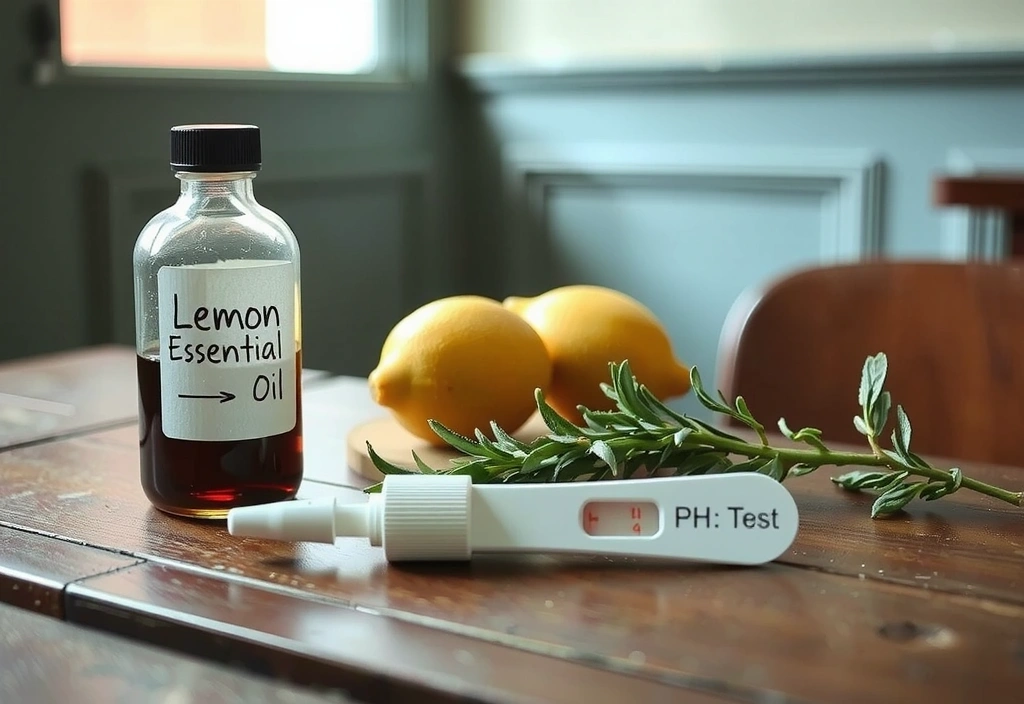
- • Plant-Based Only: No harsh solvents. Effective on grease, soap scum, and mineral deposits.
- • Concentrated Logic: 70% less packaging. Precise dilution for surface-specific needs.
- • Return Program: Empty containers returned for discount, closing the loop.
Executive Summary
Our approach reduces variables. The result is a space that feels consistently clean, not just appears it on the day of service.
By standardizing our chemistry, calibrating our tools, and documenting every move, we transform cleaning from a variable chore into a predictable, repeatable service. This is the operational foundation that allows us to guarantee the outcome, not just the effort.
Standards & Checklist
The 32-Point Protocol
This is the checklist our team follows for every standard service. It’s our shared blueprint, ensuring nothing is left to chance. The protocol is divided by functional zones to address the specific demands of different environments.
Kitchen Zone
Bathroom Zone
Living Area Zone
Final Inspection
The 'White Glove' Test: A senior team member performs a tactile check on key horizontal surfaces (windowsills, door frames, monitor tops) with a clean microfiber glove to ensure zero particulate matter remains. This is the final gate before client notification.
Trade-off Frame
The Cost of Consistency
Eco vs. Potency
Plant-based cleaners excel on general soils but may require longer dwell time for mineral scale or heavy grease. Mitigation: We adjust dwell time by 30% and use mechanical action (scrubbing) as needed, without reverting to acids.
Speed vs. Thoroughness
A 2-hour deep clean for a 60m² office is standard. Cutting time often means skipping zones. Mitigation: Our protocol defines zone priorities; if a zone is skipped, it must be noted on the client checklist and addressed in the next visit.
Cost vs. Team Size
A larger team reduces time on-site but increases coordination complexity. Mitigation: We cap team size at 3 for residential work; for offices, we use a fixed crew model to maintain protocol adherence across shifts.
Common Pitfalls
How We Avoid Them
1. The 'Wipe-Clean' Fallacy
Using the same cloth across surfaces.
Our fix: Strict color-coding and disposable pads for high-germ areas.
2. Chemical Residue
Streaking or dull finishes from improper dilution.
Our fix: On-site dilution from concentrates; no ready-to-use bottles.
3. Air Quality Neglect
Focusing on surfaces but not airborne particulates.
Our fix: HEPA vacuums and final ventilation protocol to refresh air.
4. Assumption Over Communication
Missing client-specific requests (e.g., "no citrus scents").
Our fix: Protocol checklist includes a "Client Notes" review step before work begins.
Next Step
Put the Protocol to Work
Discuss your specific space, constraints, and schedule. We'll walk you through how the protocol applies to your environment and provide a fixed quote based on the checklist, not an hourly estimate.
Or call us: +420 222 315 986